
WORKSHOPS IN PORTUGAL – Batalha Monastery
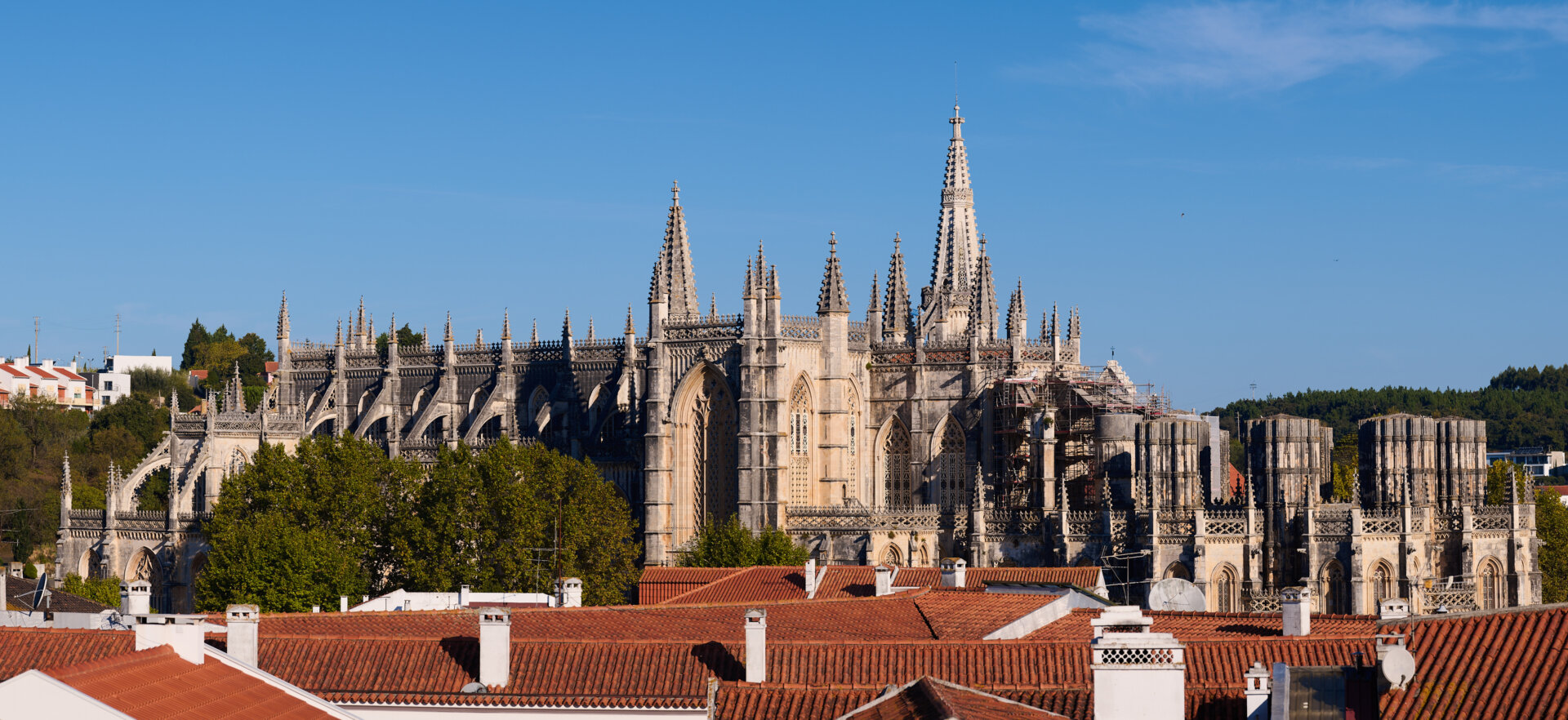
Workshops were held on two occasions at one of the jewels of Gothic architecture in Portugal, namely the former Monastery of Our Lady of Victory in Batalha, which is now a UNESCO World Heritage Site.
Batalha means ‘battle’ in Portuguese, and the name of this small town derives from one of the most significant battles in Portuguese history, which took place in the area. The military clash between the Portuguese forces of King John I the Great and the army of John I of Castile took place on 14 August 1385 near the village of Aljubarrota. John I the Great (or the Good) proved to be an excellent commander, whose strategic talent enabled victory over a numerically superior enemy army, ending the interregnum and securing Portugal’s independence from Castile.
To commemorate this spectacular victory over Castile in 1385, King John I the Good commissioned the construction of the magnificent Monastery of Santa Maria da Vitória and founded the village of Batalha.
Construction began in 1385. It lasted nearly 150 years, with successive rulers contributing to the monastery’s expansion. In 1388, the monastery was handed over to the Dominicans, who managed it until the dissolution of religious orders in 1834. The monastery is considered a prime example of the fusion of English Gothic architecture and elements of the Manueline style.
The Battle of Aljubarrota plays a similar role in Portuguese history to our Battle of Grunwald (with the difference that the former battle had actual political significance), which is why Batalha features on every school trip itinerary and is a popular tourist destination, both for its history and the beauty of its architecture.
During the workshops, we had the opportunity to explore the monastery in detail – the impressive church housing the largest collection of preserved medieval stained-glass windows in Portugal, the Founders’ Chapel with its royal tombs, including that of Henry the Navigator, the unfinished chapel – the Pantheon of Edward I – and the Royal Cloisters.
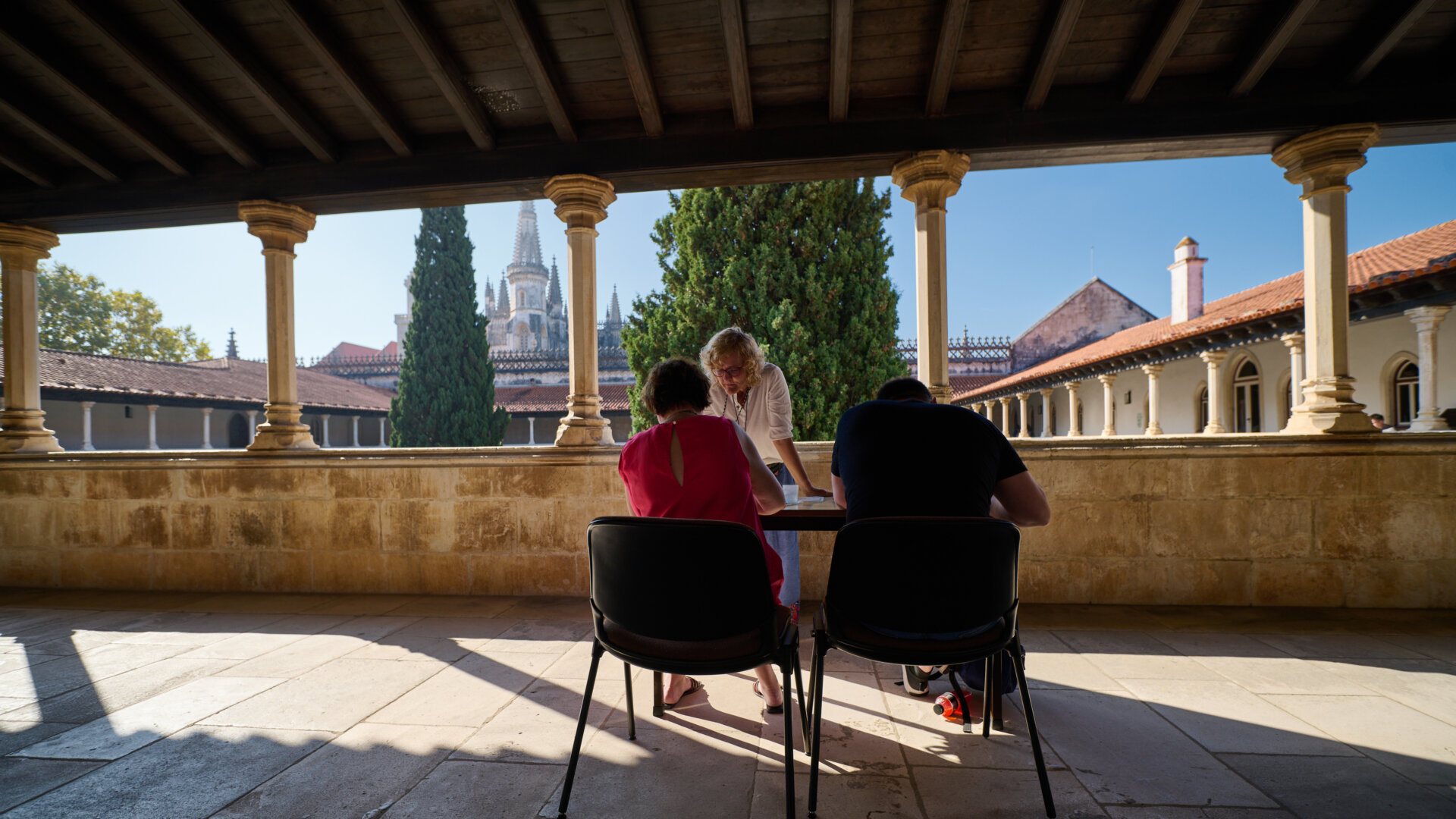
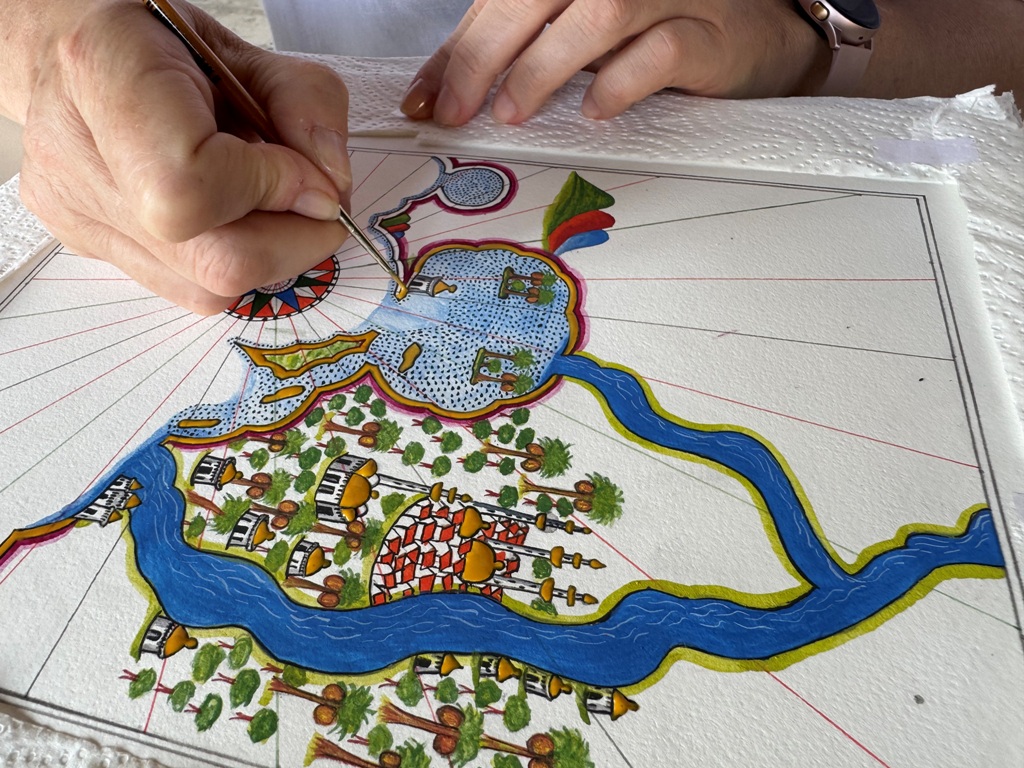
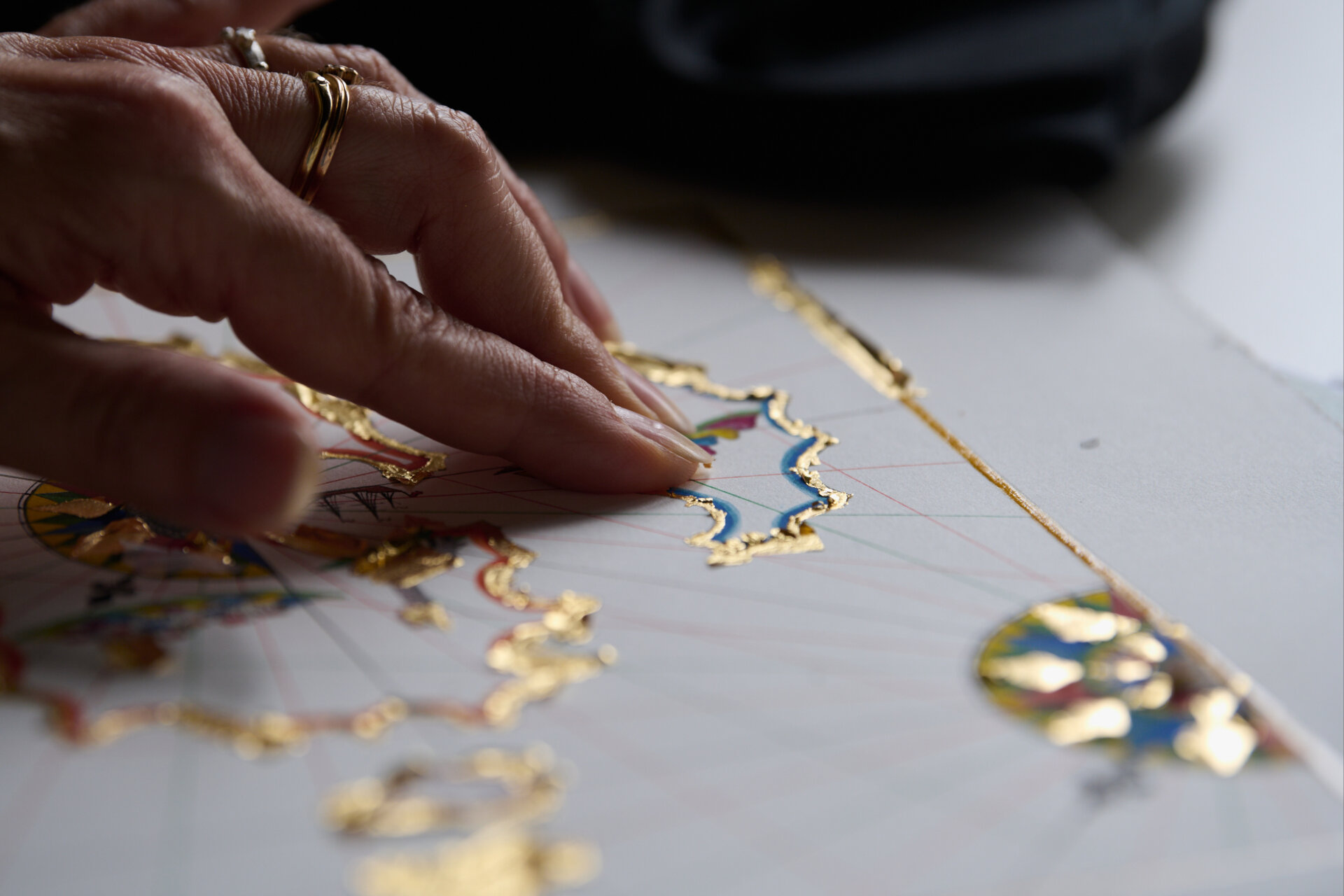
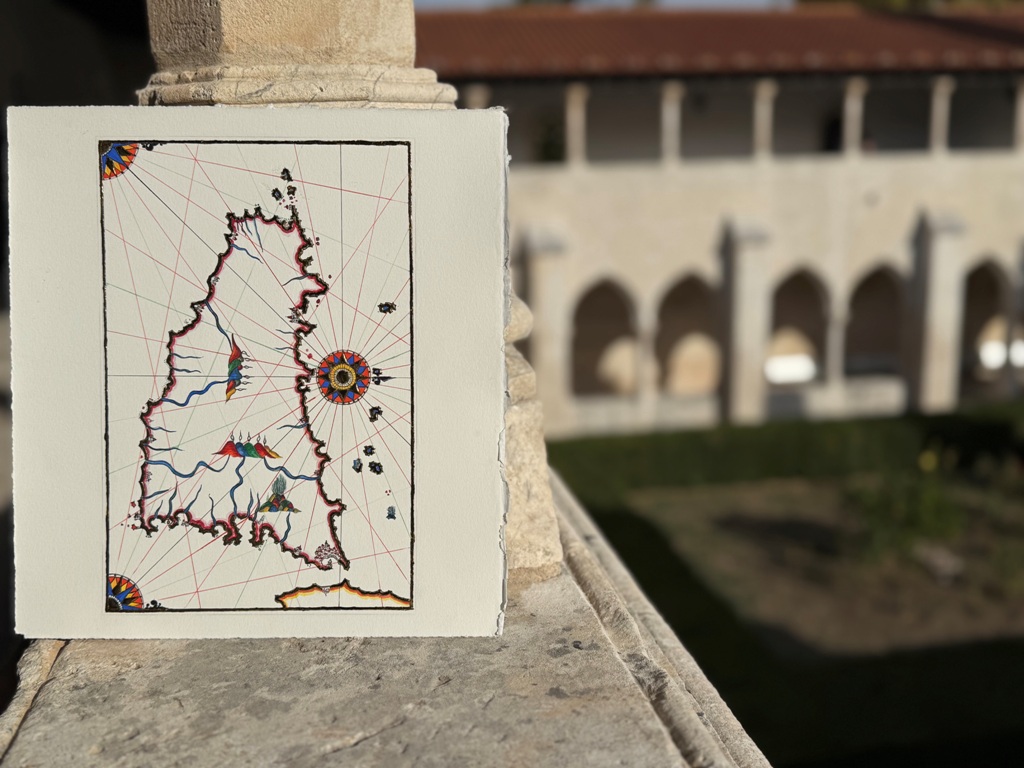
However, a particularly special experience was holding the workshops in the Cloisters of Alfonso V. Every day, in a quiet corridor with a beautiful view, out in the open air, we were able to devote ourselves to the precise art of illumination. In 2023, the theme was battle scenes, and in 2025, maps.
 back
back